Table of Contents
- What Is Amarone?
- The Appassimento Process: What Makes Amarone Unique
- Tasting Notes: What Does Amarone Taste Like?
- Amarone vs. Valpolicella: Key Differences
- Amarone DOCG Regulations
- Top Producers to Know
- How to Serve and Pair Amarone
- How Long Does Amarone Age?
- Amarone and Experiences Worth Sharing
- Common Questions About Amarone
- Further Reading
If you've ever wanted to understand why serious wine lovers go quiet when Amarone comes up, this guide is for you. Amarone della Valpolicella is one of Italy's most ambitious wines — rich, complex, and made through a process that's unlike almost anything else in the wine world. Once you understand what goes into a bottle, you'll never look at it the same way again.
What Is Amarone?
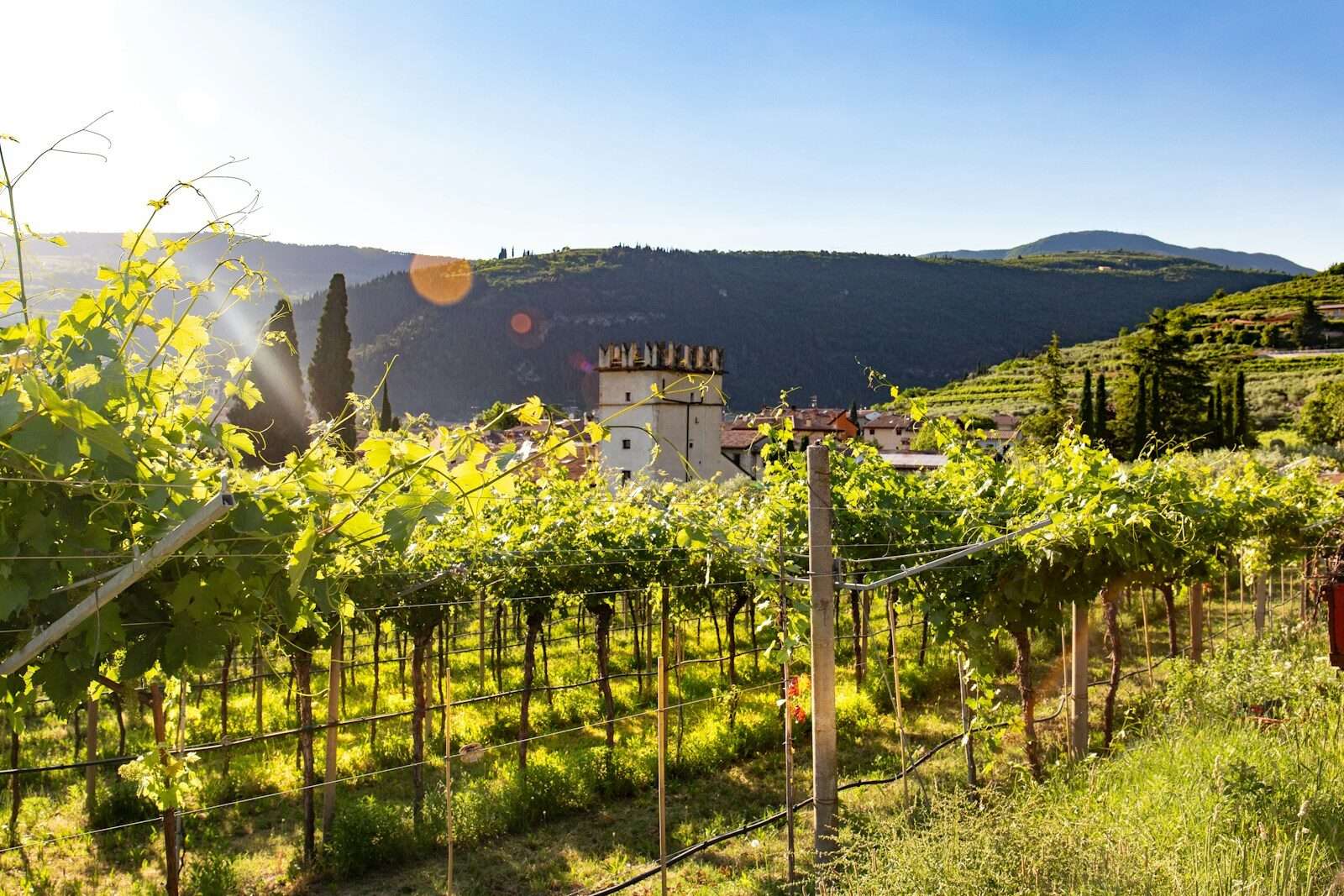
Amarone della Valpolicella is a dry red wine from the Valpolicella zone in Veneto, northeastern Italy. It carries DOCG status — Italy's highest classification — and is made primarily from Corvina Veronese, Corvinone, and Rondinella grapes. What sets Amarone apart is how those grapes are processed before fermentation.
The name "Amarone" comes from the Italian word amaro, meaning bitter. It was likely coined to distinguish the wine from Recioto della Valpolicella, the sweet version made using the same appassimento method. When a barrel of Recioto fermented all the way to dryness, the result was called "amaro" — the bitter one. The name stuck.
Today, Amarone is anything but bitter in the negative sense. It's powerful, layered, and unmistakably Italian.
The Appassimento Process: What Makes Amarone Unique
The defining feature of Amarone is appassimento — the drying of grapes before pressing. After harvest in September or October, the best bunches are laid out on bamboo racks or in wooden crates in well-ventilated lofts called fruttai. They rest there for 90 to 120 days, losing 30–40% of their weight to evaporation.
What's left is a concentrated mass of grape sugars, acids, and flavor compounds. The shriveled grapes are pressed in January or February, and fermentation begins — a slow, cold process that can take three to four weeks, sometimes longer. Because the sugar concentration is so high, the wine typically reaches 15–17% alcohol by the time fermentation finishes.
The result is a dry wine with extraordinary density. Dried fruit flavors, chocolate, leather, tobacco, and earthy notes dominate. The tannins are substantial but — in a well-made Amarone — plush and well-integrated.
I find the appassimento step is what most surprises people when they learn about it. You're essentially making wine from raisins. The patience that requires — months of carefully monitoring humidity and airflow to prevent mold — is a big part of why Amarone commands the prices it does.
Tasting Notes: What Does Amarone Taste Like?
Amarone is not a subtle wine. Here's what to expect in the glass:
- Color: Deep ruby to garnet, nearly opaque in youth
- Nose: Dried cherry, plum, dark chocolate, cocoa, tobacco, leather, dried herbs, sometimes a hint of balsamic
- Palate: Full-bodied, with concentrated dark fruit, dried fig and raisin notes, leather, spice, and vanilla from oak aging
- Tannins: Firm and substantial, but well-rounded in quality examples
- Finish: Long — often 45–60+ seconds in a great bottle
- Alcohol: Typically 15–17%
Younger Amarone (3–8 years old) tends to show more raw fruit and tannin. Older examples (10+ years) develop remarkable complexity — dried rose, tobacco, forest floor, and savoury umami notes that are genuinely thrilling.
Amarone vs. Valpolicella: Key Differences
Amarone and regular Valpolicella are made from the same grapes in the same region — but they couldn't be more different in style.
Feature
Valpolicella Classico
Ripasso
Amarone
Body
Light to medium
Medium to full
Full
Alcohol
11–13%
13–14%
15–17%
Process
Standard fermentation
"Passed over" Amarone pomace
Appassimento
Aging
0–1 year
1–2 years
2–4+ years minimum
Price range
$12–25
$20–40
$40–150+
Best for
Weeknight drinking
Food pairing
Special occasions
Ripasso sits in the middle. It's regular Valpolicella that's been refermented on the pressed skins and lees from Amarone production — picking up richness and complexity at a more accessible price point. Think of Ripasso as Amarone's younger, more approachable sibling.
Amarone DOCG Regulations
To carry the Amarone della Valpolicella DOCG label, a wine must:
- Come from the Valpolicella DOC zone in Verona, Veneto
- Be made with at least 45% Corvina Veronese (or up to 50% Corvinone as a substitute), 5–30% Rondinella, and up to 25% other permitted varieties
- Undergo the appassimento drying process
- Age a minimum of 2 years (4 years for Riserva) from harvest, with at least 2 years in oak
- Reach a minimum of 14% alcohol (most land closer to 16%)
The Classico sub-zone, which covers the original historic territory around Negrar, Marano, Fumane, Sant'Ambrogio, and San Pietro in Cariano, is considered the finest source. Classico Amarone tends to show more finesse and terroir expression than wines from the broader appellation.
Top Producers to Know
Amarone is made by dozens of estates, from tiny family farms to large commercial producers. These are the names worth knowing:
Benchmark estates:
- Quintarelli — the undisputed legend, traditional style, extremely limited production
- Dal Forno Romano — intensely concentrated, modern style, cult following
- Masi — widely available, reliable, historically important; their Costasera is a great entry point
- Bertani — one of the oldest producers, known for long-aging potential
- Tommasi — family estate, excellent value across their range
- Allegrini — modern, polished, with excellent single-vineyard expressions
For a first bottle, Masi Costasera or Tommasi Amarone offer reliable quality at around $40–60. If you want to go deeper, Quintarelli and Dal Forno are extraordinary — but budget $150–300+.
How to Serve and Pair Amarone
Temperature: Serve at 62–65°F (17–18°C). Too cold mutes the aromatics; too warm makes the alcohol feel hot.
Decanting: Decant young Amarone (under 10 years) for at least 1–2 hours. Older bottles may need only 30–45 minutes. The wine opens dramatically with air.
Glassware: Use a large Burgundy-style bowl to capture the aromatics.
Food pairings: Amarone's richness calls for bold food. Classic matches:
- Braised short ribs or beef osso buco
- Aged cheeses: Parmigiano Reggiano, Pecorino Stagionato, aged Gouda
- Wild boar or venison ragù
- Dark chocolate (70%+ cacao)
- Roasted lamb with rosemary
Avoid delicate dishes — Amarone will overwhelm lighter flavors. This is a wine for a winter feast, not a spring salad.
How Long Does Amarone Age?
Amarone is one of Italy's great aging wines. Quality examples from top producers can evolve for 20–30 years. Here's a rough timeline:
- Release to 5 years: Powerful but tight, primary fruit dominant, tannins grippy
- 5–10 years: Beginning to integrate, secondary notes emerging
- 10–20 years: Complex and layered, dried fruit, tobacco, leather, forest floor
- 20+ years: Only the best producers' wines reach this gracefully — magnificent if they do
If you're buying to drink now, stick to bottles at least 5 years old. If you're buying to age, invest in a great producer and be patient.
Amarone and Experiences Worth Sharing
There's something about Amarone that makes it a natural gathering wine. It's substantial, conversation-worthy, and a little theatrical — decanting a bottle of well-aged Amarone at a dinner table is a genuine event.
That theatrical quality makes Amarone particularly well-suited to guided wine experiences. Myrna Elguezabal, founder of The Wine Voyage, often builds corporate wine tasting events around Italian red wine comparisons — tasting Valpolicella, Ripasso, and Amarone side by side tells a vivid story about how winemaking process transforms the same raw grapes into completely different wines. It's one of the most effective ways to turn a group of non-wine-drinkers into genuinely curious enthusiasts.
If your team is looking for a wine experience that generates real conversation, a Valpolicella family tasting built around Amarone is one of the best formats out there.
Common Questions About Amarone
Is Amarone sweet? No — Amarone is a dry wine. The perceived sweetness some drinkers notice comes from the concentrated fruit and high glycerol from appassimento, not residual sugar. The sweet version made using the same process is called Recioto della Valpolicella.
Why is Amarone so expensive? The appassimento process requires months of careful grape management, dramatically reduces yields (you lose 30–40% of your grapes to water evaporation), and requires extended aging. The cost reflects real labor and time.
Can I age Amarone at home? Yes, if you have a wine fridge or cellar with consistent temperature (55–60°F) and humidity (60–70%). Vertical storage is fine once the wine is at rest.
What's a good entry-level Amarone? Masi Costasera Amarone and Bertani Amarone are widely available, reliable, and typically around $40–60. Both give you the genuine Amarone experience without the premium of a cult producer.
If you enjoy full-bodied Italian reds, explore our Barolo guide — another DOCG powerhouse made from Nebbiolo. Our Sangiovese guide covers the grape behind Chianti and Brunello. For Italian wine more broadly, the Italian wine guide is a solid starting point. And if Amarone's fortified richness appeals, the port wine guide covers a similarly serious category.
Further Reading
For deeper dives into Amarone and Valpolicella, these two resources are authoritative: Wine Folly's Amarone guide covers the region visually and clearly, while Decanter's Corvina Veronese feature explores the grape at the heart of the wine. https://thewinevoyage.net/?p=24311


Comments
Post a Comment