Table of Contents
- What Is Pisco?
- Peru vs. Chile: Two Different Spirits Under One Name
- The Eight Pisco Grape Varieties
- How to Taste Pisco
- The Pisco Sour and Classic Cocktails
- Recommended Bottles
- Pisco for Group Tasting Events
- Further Reading
The first time I tasted a well-made pisco neat — not in a sour, not mixed, just in a glass — I understood why Peruvians and Chileans have been arguing about it for centuries. This is a spirit with genuine character: grape-forward, aromatic, with a richness that's completely unlike vodka and a restraint that separates it from grappa. Pisco deserves serious attention, and most people only encounter it as a cocktail ingredient.
This guide covers what pisco actually is, how Peru and Chile approach it differently, how to taste it properly, and which bottles are worth your money.
What Is Pisco?
Pisco is a clear (or very lightly golden) brandy distilled from fermented grape juice, produced in the coastal desert regions of Peru and Chile. The name comes from the Peruvian port city of Pisco, which served as the historic export hub for the spirit from the 16th century onward.
Spanish colonists brought grape cultivation to the region and discovered that the extreme Atacama and Ica desert conditions produced intensely concentrated fruit. The resulting spirit — distilled from that fruit, typically to proof without water addition or aging — carries a directness of grape expression that aged brandies like Cognac develop over years in barrel. With pisco, the grape speaks immediately.
Unlike most spirits, Peruvian pisco is distilled once to final proof and never aged in barrels. What you get in the bottle is an unmasked expression of the grape variety, the terroir, and the distiller's technique. There is nowhere to hide, which is why pisco quality varies so dramatically across producers — and why the best examples are extraordinary.
Peru vs. Chile: Two Different Spirits Under One Name
The pisco debate between Peru and Chile is not merely nationalism. The two countries produce genuinely different products under the same name, shaped by different regulations and different philosophies about what pisco should be.
Feature
Peruvian Pisco
Chilean Pisco
Distillation
Single distillation to proof, no cuts
Multiple distillations permitted
Aging
Not permitted — bottled shortly after distillation
Aging in oak permitted
Water addition
Strictly prohibited
Permitted to adjust proof
Grape varieties
8 designated aromatic and non-aromatic varieties
Primarily Muscat and Pedro Jiménez
Flavor character
Aromatic, grape-forward, complex
Lighter, cleaner, sometimes softer
ABV range
38–48%
30–50%
Regulated origin
Ica, Lima, Arequipa, Moquegua, Tacna
Atacama and Coquimbo regions
Peruvian pisco tends toward greater complexity by design. The single-distillation rule means the distiller cannot clean up the spirit with additional passes — whatever comes off the still goes into the bottle. This creates a higher-risk, higher-reward pisco that showcases the terroir and grape character with unusual directness.
Chilean pisco is generally more approachable for mixing — cleaner, lighter, more neutral in character — and the aging allowance means some Chilean expressions develop warmth and roundness that Peruvian pisco doesn't have. Neither is objectively better. They are different spirits that happen to share a name and a geographic region.
The Eight Pisco Grape Varieties
Understanding Peruvian pisco requires understanding the eight designated grape varieties. They split into two categories with dramatically different flavor implications.
Aromatic Varieties
These are the most interesting pisco grapes for nose-forward tasting:
Italia — The most aromatic pisco grape. Produces floral, muscat-adjacent expressions with notes of white flowers, peach, tropical fruit, and fresh herbs. A well-made Italia pisco is one of the most perfumed spirits you'll encounter.
Albilla — Stone fruit forward, with a delicate sweetness and restrained floral notes. More approachable than Italia, excellent for those new to aromatic pisco.
Moscatel — Grape-forward with honeyed character, citrus, and a clean finish. Familiar to anyone who knows Muscat-based wine.
Torontel — The most intensely perfumed of the aromatic varieties. Almost violet-like on the nose, with rose petal and lychee notes. Stunning when made well.
Non-Aromatic Varieties
These grapes provide structure and body rather than floral intensity:
Quebranta — The workhorse of Peruvian pisco. Earthy, robust, dried fruit notes, more neutral than the aromatics. Forms the base of most blended expressions and takes well to cocktail use.
Mollar — Softer than Quebranta, with a slight floral lift. Rarely seen as a single-variety bottling.
Uvina — Rare, slightly astringent, primarily used to add structure in blends.
Negra Criolla — Deep color (unusual for pisco), concentrated dark fruit, high natural alcohol. Powerful and distinctive.
The most revealing tasting you can do with pisco is a side-by-side comparison of an aromatic variety (Italia or Torontel) with Quebranta. The difference illustrates just how dramatically grape variety shapes the final spirit.
How to Taste Pisco
Tasting pisco follows the same principles as tasting any aged spirit — except that without barrel influence, the grape character is fully exposed. There's nowhere for imperfections to hide, and nowhere for brilliance to be obscured either.
Glass selection: Use a narrow-mouthed glass (Glencairn or snifter) to concentrate the aromatics. Aromatic pisco in a standard rocks glass loses a significant portion of what makes it distinctive — the floral compounds dissipate quickly in open air.
Nosing: Aromatic pisco — especially Italia and Torontel varieties — can be almost overwhelming on first nose. White flowers, citrus blossom, peach skin, herbs. Take several short sniffs rather than one deep inhalation to avoid nose fatigue, and approach with the glass at chin height rather than directly under the nose.
First sip: The entry should be clean and direct. Look for: grape presence (how directly does the raw fruit come through?), sweetness perception (pisco is technically dry, but aromatic varieties carry an apparent sweetness), and alcohol integration (is the heat woven through the spirit or sitting on top of it?).
Finish: A well-made pisco finishes long — 20–40 seconds in aromatic expressions. Watch for how the character shifts: floral aromatics often give way to a cleaner, faintly mineral quality as the finish develops. Non-aromatic pisco like Quebranta tends toward earthier, more persistent finishes.
Water: Unlike whiskey, pisco generally doesn't benefit much from water addition. The ABV (38–48%) is lower than many spirits, and adding water thins the aromatic expression disproportionately.
The Pisco Sour and Classic Cocktails
The pisco sour is most people's first encounter with pisco — and it's genuinely excellent when made correctly. The traditional Peruvian version:
- 3 oz pisco (Quebranta or blended)
- 1 oz fresh lime juice
- ¾ oz simple syrup
- 1 egg white
- 3 dashes Angostura bitters (on top of foam)
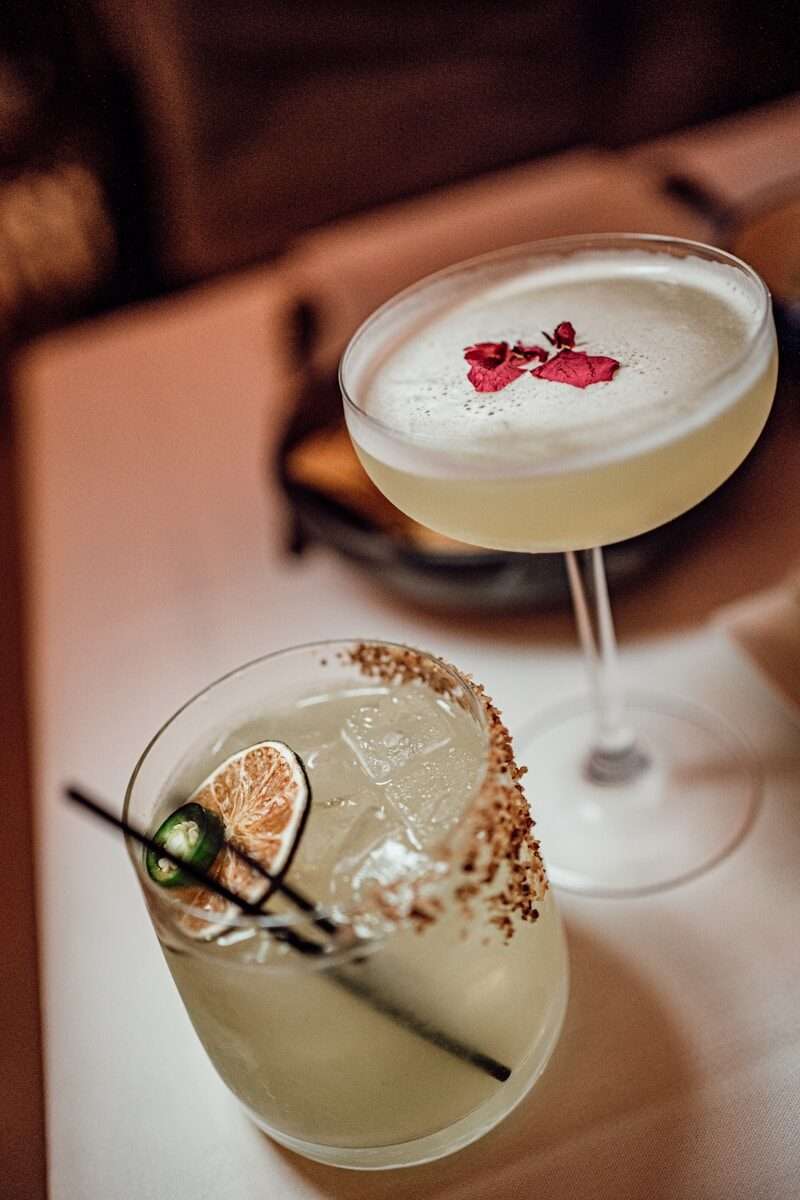
Shake pisco, lime, and syrup with ice until well-diluted. Add the egg white, shake vigorously without ice for 15–20 seconds to build foam. Strain into a chilled coupe. Dash bitters on the foam surface.
The egg white is not optional in the traditional recipe — it creates the thick, silky foam that defines the drink's texture and visual character. Without it, you have a sour, not a pisco sour.
Two other classics worth knowing:
Chilcano — Pisco, ginger ale, lime, Angostura bitters. The everyday drink in Lima, easy to assemble, more approachable than the sour for guests who don't love egg-white cocktails.
Pisco Punch — A San Francisco Gold Rush-era cocktail that spread when Peruvian pisco was widely available in North American ports before Prohibition. Pisco, lime, pineapple, simple syrup. A historical curiosity and an excellent drink.
Recommended Bottles
For beginners starting with pisco:
- Barsol Quebranta — approachable, earthy, clean, widely available at accessible price points
- Tabernero Italia — good expression of the aromatic category at an entry-level price; excellent for understanding what grape-forward means in pisco
For enthusiasts:
- Macchu Pisco — single varietal, organic, carefully made; the Italia expression is floral and precise
- El Gobernador Quebranta — one of the cleaner benchmark Quebranta expressions, excellent for cocktail use or sipping
For serious exploration:
- Caravedo Puro Quebranta — one of the definitive Peruvian pisco expressions, made at the oldest operating pisco distillery in Peru, clean and direct
- La Diablada — multi-varietal blends from Peru that show how aromatic and non-aromatic varieties interact; complex and worth the investment for anyone wanting to understand pisco fully
Pisco for Group Tasting Events
Pisco is an excellent spirit for group tastings for one specific reason: almost nobody arrives with strong opinions. Unlike wine or bourbon — where many guests will have formed preferences they want confirmed — pisco puts everyone at the same starting point. That genuine uncertainty creates the best tasting dynamic: curiosity rather than confirmation-seeking.
A structured pisco flight comparing aromatic vs. non-aromatic varieties, or Peruvian vs. Chilean styles side by side, creates exactly the kind of surprising discovery that makes group tasting events memorable. Teams often find that the most opinionated drinkers in the room are the most surprised by what they prefer — and that equalizing effect is what makes tasting experiences powerful for team building.
The Wine Voyage's Tequila & Mezcal Experience covers the agave spirits side of South American spirits culture and shares pisco's spirit of terroir-driven complexity. We occasionally incorporate pisco into custom blended tasting events for groups that want to explore the continent's full spirits tradition beyond agave.
Related reading: /mezcal-guide/, /mezcal-vs-tequila/, /tequila-tasting-guide/, /spirits-tasting-for-beginners/, /wine-tasting-team-building/, /how-to-describe-wine/
Further Reading
For deeper study on South American spirits and brandy traditions: Wine Folly's pisco guide covers the visual and categorical basics well for newcomers, and Decanter's spirits coverage includes producer profiles and vintage assessments for the serious pisco explorer. https://thewinevoyage.net/?p=24784


Comments
Post a Comment